
Sudan Centralises Economic Planning to Unlock Funding
Sudan abolishes finance ministry planning unit, centralising strategy under prime minister to improve coordination, reduce overlap and attract international financing.

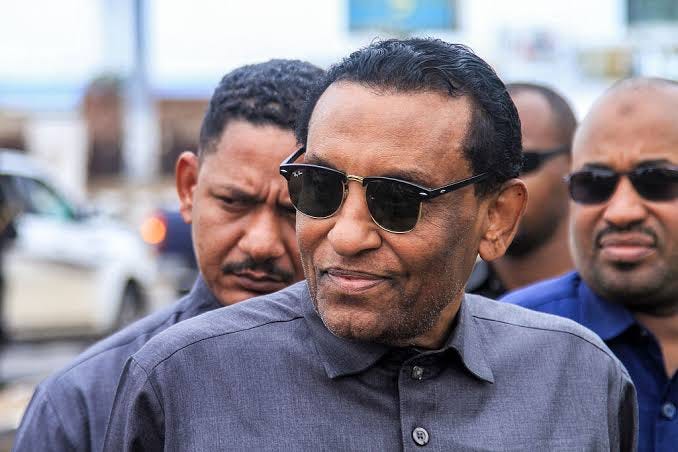
Sudan’s prime minister Kamil Idris has moved to centralise economic policymaking by abolishing the planning agency within the Ministry of Finance of Sudan, in a step aimed at improving coordination and strengthening engagement with international lenders.
The decision transfers all responsibilities of the unit to the general secretariat of the National Council for Strategic Planning, placing long-term economic planning under direct supervision of the prime minister’s office rather than within the finance ministry.
Officials say the restructuring is designed to separate strategic planning from day-to-day budget management, allowing for a more coherent national development framework at a time of mounting fiscal and institutional pressures.
Repeated restructuring highlights policy challenges
The economic planning agency has undergone multiple rounds of restructuring over recent years, including periods of dissolution and reinstatement, reflecting broader difficulties in maintaining a consistent economic policy framework.
The latest move represents a more decisive attempt to resolve fragmentation within government, where overlapping mandates between ministries and national councils have complicated decision making and slowed reform efforts.
By consolidating planning authority within a single body, the government aims to reduce bureaucratic duplication and establish a unified economic vision.
Leadership change signals policy shift
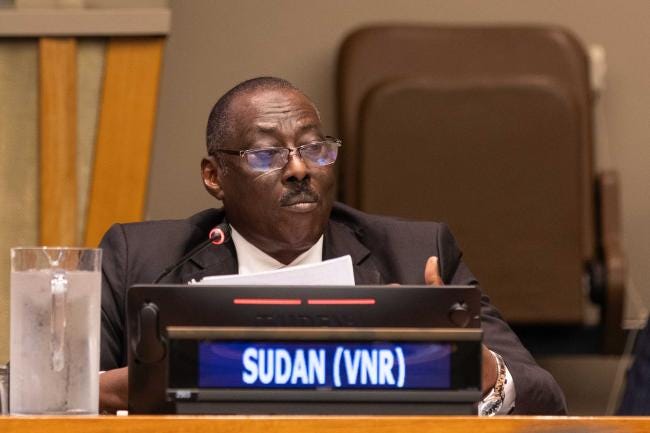
As part of the decree, Mohamed Bashar Mohamed Adam was removed from his position as undersecretary for planning at the finance ministry.
His tenure included oversight of key economic files and coordination with international financial institutions.
His dismissal underscores a broader shift towards centralised control of development strategy and a move away from dispersed planning structures embedded within individual ministries.
Focus on international financing
The reform comes as Sudan seeks to secure external financial support to address a deepening economic crisis.
Engagement with institutions such as the International Monetary Fund and the World Bank has historically been complicated by fragmented planning frameworks and inconsistent policy signals.
Officials believe that presenting a unified national strategy could improve Sudan’s credibility with donors and lenders, particularly as the country looks to mobilise funding for reconstruction and stabilisation.
Reform agenda amid conflict

The restructuring forms part of a broader package of institutional reforms planned for 2026, aimed at strengthening state capacity and reducing what officials describe as “administrative shadowing” between ministries and national bodies.
These efforts are unfolding against the backdrop of Sudan’s ongoing war initiated by the Rapid Support Forces, which has placed severe strain on public finances and governance structures since April 2023.
With economic pressures intensifying, the government is seeking to shift planning from a function tied to annual budget cycles into a centralised, long-term strategy overseen at the highest level.
Whether the move will translate into more effective policymaking and improved access to international funding will depend on the government’s ability to implement reforms in a highly volatile political and economic environment.