
Sudan’s Electricity Shortfall Hits 3,300 MW Amid Global Fuel Crisis
Sudan faces a 3,300 MW electricity deficit as war‑linked fuel shortages hobble thermal plants, spurring urgent discussions on solar expansion and network protection.

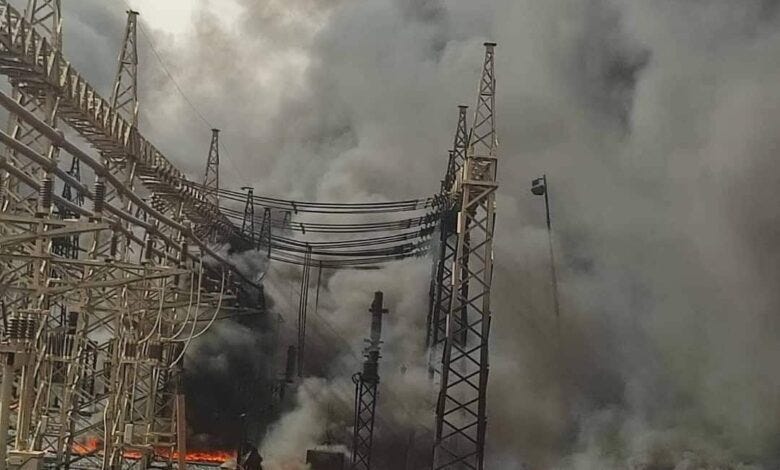
Sudan is confronting an unprecedented power shortage that has crippled electricity supply across much of the country, according to a recent technical report from the Khartoum electricity authority reviewed by local officials. The document revealed an overall production shortfall of about 3,300 megawatts (MW), a level officials described as “unprecedented” largely due to the near‑total shutdown of thermal generation units now dependent on imported fuel and petroleum products.
The shortfall comes at a time of acute economic pressure, exacerbated by global energy market volatility following the conflict involving Iran, which has driven up fuel prices and strained already fragile supply chains.
Rising fuel costs have hit not just Sudan but markets across the region, with neighbouring countries like Tanzania citing external shocks from the conflict as a factor in sharp price increases of refined fuel products.
In a meeting this week between the Deputy Chairman of the Sovereign Council, Malik Agar, and Khartoum State Governor Ahmed Osman Hamza, officials discussed the economic repercussions of surging fuel costs on the price of essential goods and services, and the knock‑on effects on the power sector.
Agar, speaking to a high‑level emergency committee, warned against opportunistic behaviours that could worsen shortages, and underscored the need for “firm measures” to ensure the continuity of basic supplies.
Sudan’s grid has been plunged into crisis largely because most thermal power stations have halted operations. With cooling conflicts disrupting normal logistics and access to fuel, hydropower from dams such as Merowe and Roseires has become the dominant source of generation. But reliance on hydropower alone, which fluctuates with seasonal water levels, has proved inadequate to meet demand, leaving vast parts of the population with prolonged outages.
The acute shortage has been compounded by technical failures. In late March, Sudan experienced a “total blackout” of the national grid attributed to a sudden technical fault, although utility engineers later reported a phased restoration of supply.
The power crisis is feeding wider hardship. In agriculture dependent regions, repeated outages have already crippled irrigation systems, contributing to crop losses and exacerbating food insecurity, as reported last year by AFP. Many farmers reported losing up to 70‑75 per cent of their crops because electric pumps could not operate, forcing reliance on diesel generators amid scarce and expensive fuel supplies.
In response to the current crisis, officials in Khartoum announced the formation of a specialised committee to identify immediate and long‑term solutions. Central to the strategy is an accelerated shift towards solar and other renewable energy sources, which are seen as more economical and sustainable amid chronic fuel shortages.
The Governor highlighted the need to “reduce waste and illegal tapping of the grid,” which officials say adds to the strain on the network and damages infrastructure, especially transformers. Renewable energy advocates say decentralised solar systems could offer relief where the central grid is unreliable.
Globally, off‑grid renewable capacity has been expanding rapidly, with about 11.1 gigawatts installed by end‑2024, nearly double the level from a decade earlier, according to the International Renewable Energy Agency (IRENA).
Sudan’s power shortfall underscores the broader crisis facing essential services in the conflict‑torn country. With millions displaced and humanitarian needs rising, international agencies have warned of escalating catastrophe, including widespread disruption to water, health and electricity services that underpin daily life.
As the government seeks immediate fixes and strategic diversification of energy sources, everyday life for many Sudanese will hinge on whether policymakers can stabilise the grid and speed the transition to more resilient power systems.